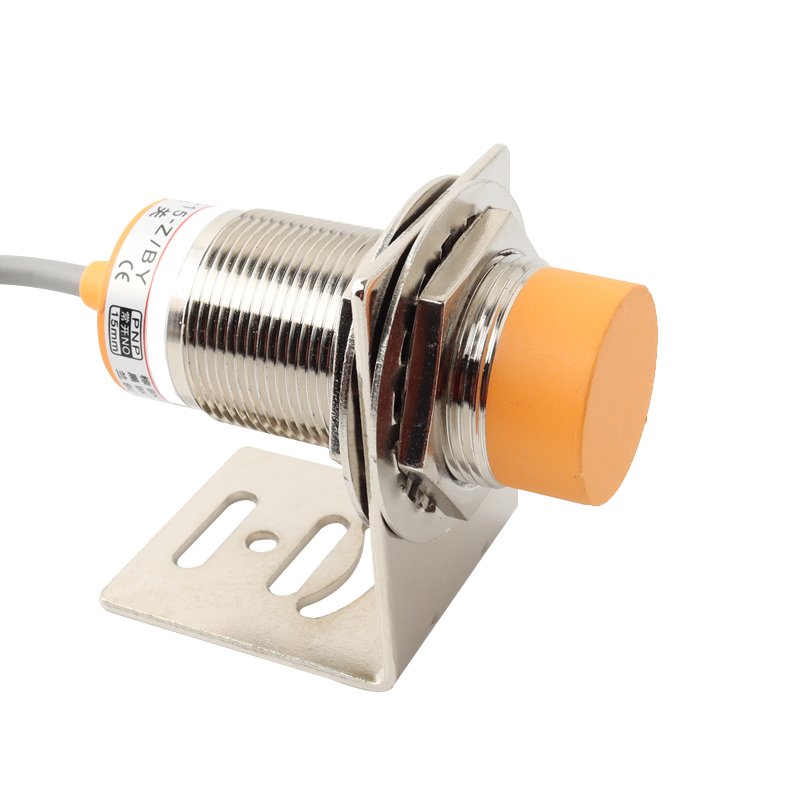
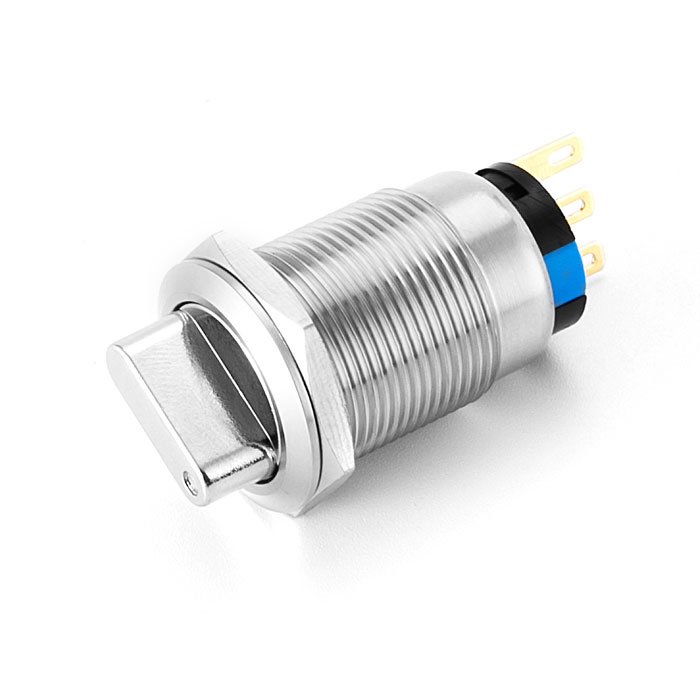
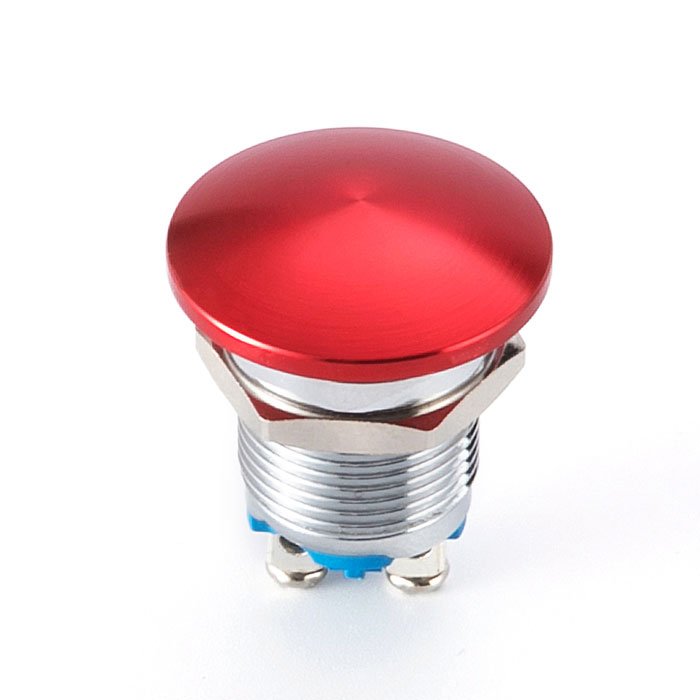
In the proximity switch, there is a component that has the ability to “perceive” the object approaching it, that is, the displacement sensor. It can use the sensitivity of the displacement sensor to the approaching object to achieve the purpose of controlling the switch on or off. The object moves from the switch to the switch and the switch. The distance sensed by the displacement sensor after approaching a certain distance is called the detection distance. Sometimes the detected objects approach the switch at a certain time interval and then leave one after another, which is repeated continuously, and the response ability of different proximity switches to the detected object is also different, which is called the response frequency.
Waterproof system of metal push button switchWhen it comes to waterproof push button switches, the most important thing is quality, because waterproof push button switches are switches that can be operated even with wet hands.The safe waterproof system of the waterproof button switch:1. It is used to isolate the power supply and disconnect the high-voltage maintenance […]
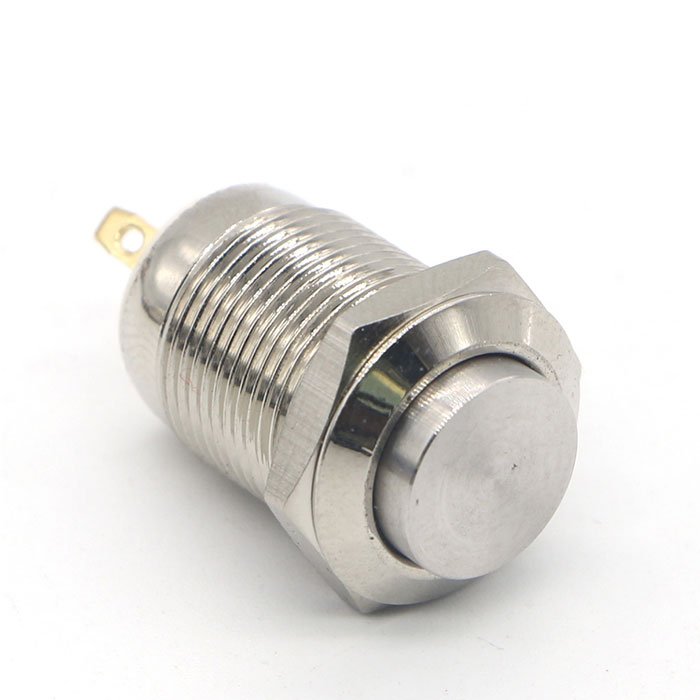
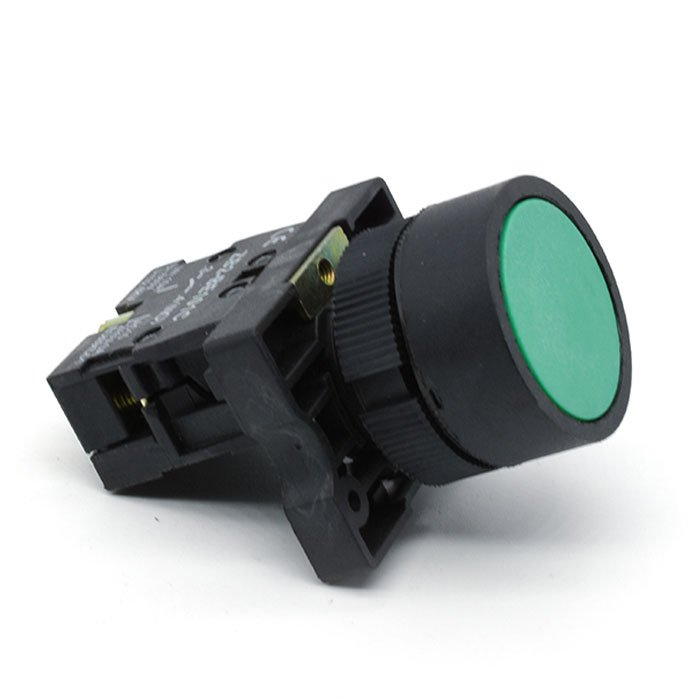
Classification of button switchesButton switches can be classified according to operation mode and protection mode. Common button categories and characteristics:Open type: suitable for embedded installation and fixed on the panel of the switch board, control cabinet or console.Protective type: With a protective shell, it can prevent the internal button parts from being mechanically damaged or people touching […]
(1) According to different use occasions and specific purposes: Select the type of metal push button switches according to the use occasion, such as open type, protective type, waterproof type, anti-corrosion type, etc.; select the appropriate form according to the use, such as handle rotating type, key type, etc. type, emergency type, lighted type, etc. For example, […]
We use cookies to enhance your browsing experience, serve personalised ads or content, and analyse our traffic. By clicking "Accept All", you consent to our use of cookies.