Classification of Button Switches

Classification of Button Switches

Classification of button switches
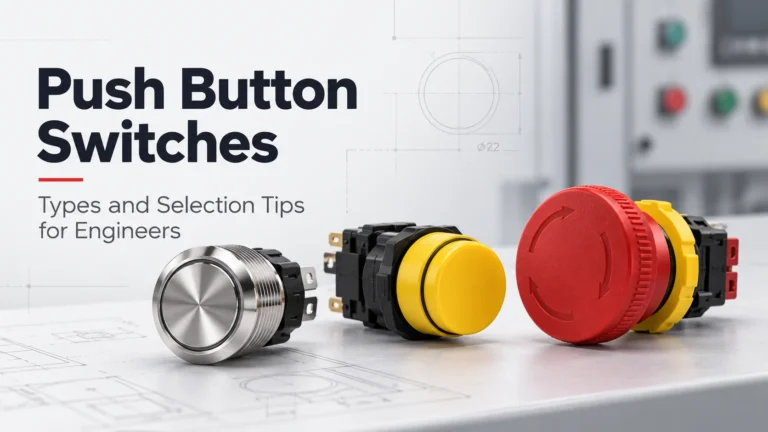
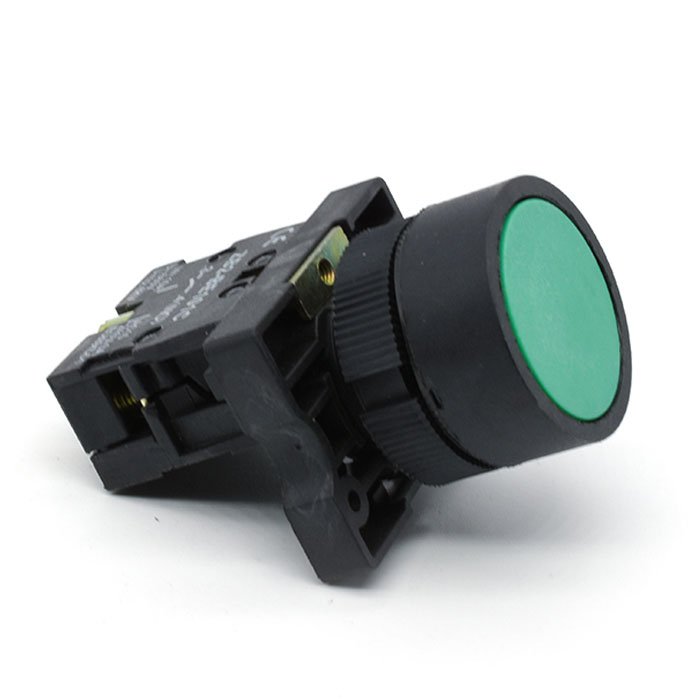
Button switches can be classified according to operation mode and protection mode. Common button categories and characteristics:
Open type: suitable for embedded installation and fixed on the panel of the switch board, control cabinet or console.
Protective type: With a protective shell, it can prevent the internal button parts from being mechanically damaged or people touching the live parts.
Waterproof type: with a sealed shell to prevent rainwater from intruding.
Anti-corrosion type: can prevent the intrusion of chemical corrosive gas.
Explosion-proof type: It can be used in places containing explosive gas and dust without causing explosion, such as coal mines and other places.
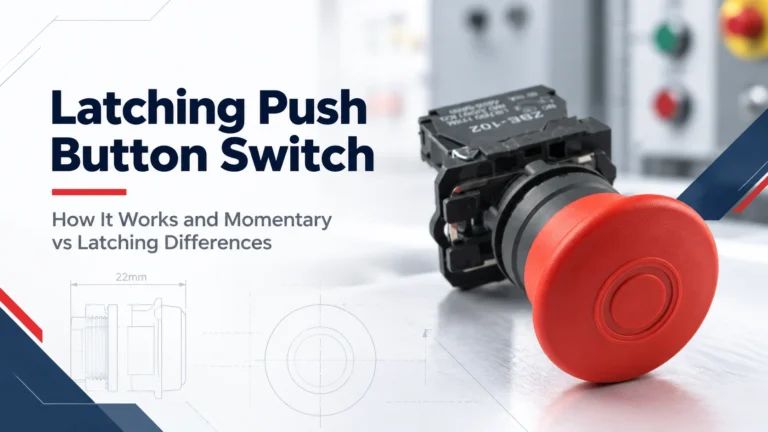
Knob type: Rotate the operation contact by hand, there are two positions for on-off, generally panel-mounted.
Key type: Use the key to insert and rotate to operate, which can prevent misoperation or be operated by a dedicated person.
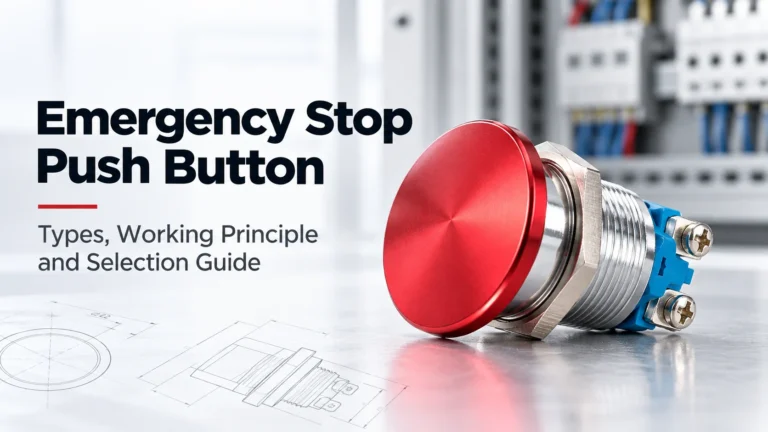
Emergency: There is a big red mushroom button head protruding outside, which is used to cut off the power in an emergency.
Self-sustaining button: The button is equipped with a self-sustaining electromagnetic mechanism, which is mainly used in power plants, substations or test equipment. Operators exchange signals and issue instructions, etc., generally panel operation.
Button with light: The button is equipped with a signal light, which not only is used to issue operation commands, but also serves as a signal indicator. It is mostly used on the panel of the control cabinet and console.
Combination: a combination of multiple buttons.
Interlocking type: multiple contacts are interlocked with each other.

10

Related Posts

What are the advantages of Metal Push Button Switch and Plastic Push Button Switch?

What are the advantages of Metal Push Button Switch and Plastic Push Button Switch?

When we buy Push Button Switch, will we choose metal material or plastic material? In addition to the difference in material, what are the differences in use? Today we will discuss the advantages of Metal Push Button Switch and Plastic Push Button Switch. The advantages of metal push button switch mainly include: 1. Durability and anti-destruction: […]

he Structural Characteristics of the 22mm Latching Push Switch

he Structural Characteristics of the 22mm Latching Push Switch

The structural characteristics of the button switchThe structure of the button switch: It is composed of a button cap, a return spring, a fixed contact, a movable contact, a shell and a pillar connecting rod.Normally open contact (moving contact): refers to the contact in the original state (the electrical appliance is not subjected to external force […]

How does a proximity switch work?

How does a proximity switch work?

In the proximity switch, there is a component that has the ability to “perceive” the object approaching it, that is, the displacement sensor. It can use the sensitivity of the displacement sensor to the approaching object to achieve the purpose of controlling the switch on or off. The object moves from the switch to the […]