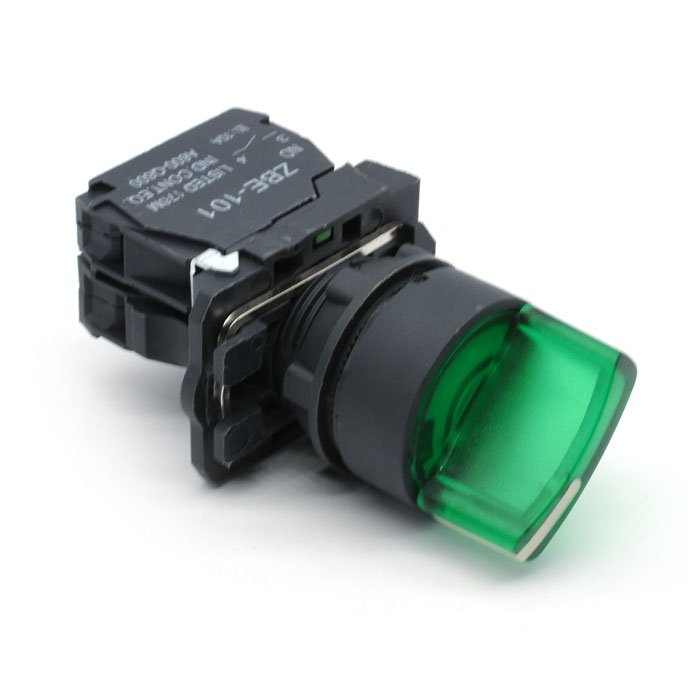
Push button light switches are usually safe under normal use conditions. The following analyzes their safety from multiple angles and provides relevant suggestions:
1. Safety analysis
Design and structure:
Mechanical structure: Push button switches usually use springs or lever mechanisms to open and close, and the design avoids the risk of electric shock. Its shell is mostly made of insulating materials, which can effectively prevent leakage.
Electrical clearance and creepage distance: Switches that meet safety standards will ensure sufficient electrical clearance and creepage distance in the internal circuit layout to prevent arcing or short circuits.
Electrical performance:
Rated voltage and current: Qualified push button switches will clearly mark the rated voltage and current. Users need to ensure that the rated parameters of the switch match the circuit to avoid overload.
Insulation resistance and withstand voltage: The product should pass the insulation resistance test and withstand voltage test to ensure that there will be no leakage or breakdown under normal and abnormal conditions.
Safety certification:
International certification: Certification marks such as UL (USA), CE (EU), CCC (China), etc., indicate that the product meets relevant safety standards.
Standard compliance: Complies with international standards such as IEC 60669-1 (switches for household and similar fixed electrical installations).
2. Potential risks and preventive measures
Improper installation:
Risk: If the wiring is wrong or not tightened, it may cause short circuit, overheating or even fire.
Prevention: It should be installed by a professional electrician to ensure that the wiring is correct, firm, and in compliance with local electrical regulations.
Use environment:
Wet environment: In wet areas such as bathrooms and kitchens, ordinary push-type switches may pose safety hazards, and waterproof types (such as IP65 and above) should be selected.
Flammable and explosive places: Explosion-proof switches must be used to avoid accidents caused by electric sparks.
Product quality:
Poor quality products: There may be problems such as material resistance to high temperature and poor insulation performance, which increase safety risks.
A Latching Push Button Switch is designed to maintain its switching state after being pressed. Unlike a momentary push button, which returns to its original position as soon as the operator releases it, a latching switch remains active until it is operated again or manually released. This makes latching push buttons useful in industrial control […]
An Emergency Stop Push Button is a critical control component used on industrial machinery, automation systems, production lines, and control panels. Its purpose is simple: allow an operator to quickly initiate a stop command when an abnormal or potentially dangerous condition occurs. Although most emergency stop buttons use a familiar mushroom head, not all models […]
A Push Button Switch is one of the most common control components used in industrial machinery, electrical panels, automation systems, and control equipment. Although the device appears simple, choosing the right push button requires more than selecting a color or mounting size. Engineers need to consider the operating method, contact configuration, rated voltage and current, […]