The Difference Between a Touch Switch and a Button Switch

The Difference Between a Touch Switch and a Button Switch

The difference between a touch switch and a button switch
“Self-locking” means that the switch can maintain a certain state through the locking mechanism, and “light touch” means the amount of force used to operate the switch.
Generally speaking, mechanical switches may be distinguished as follows:
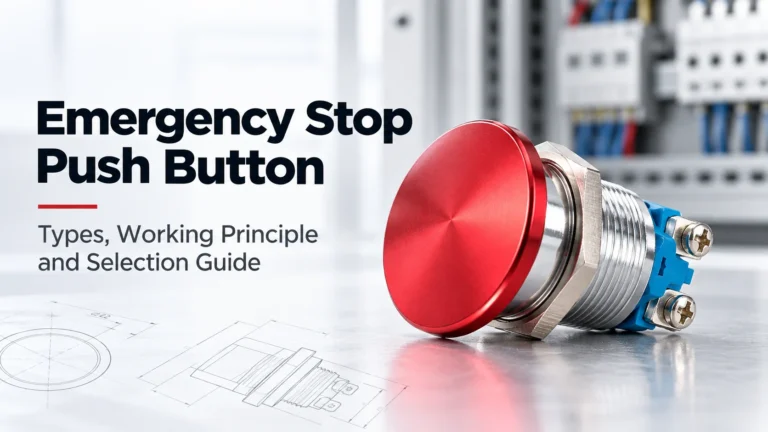
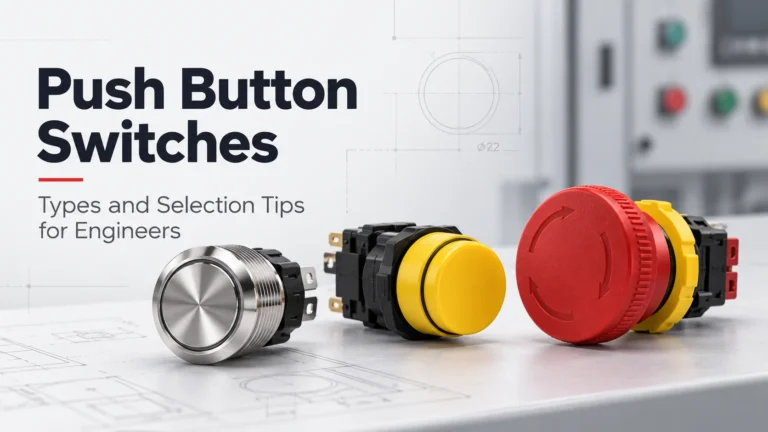
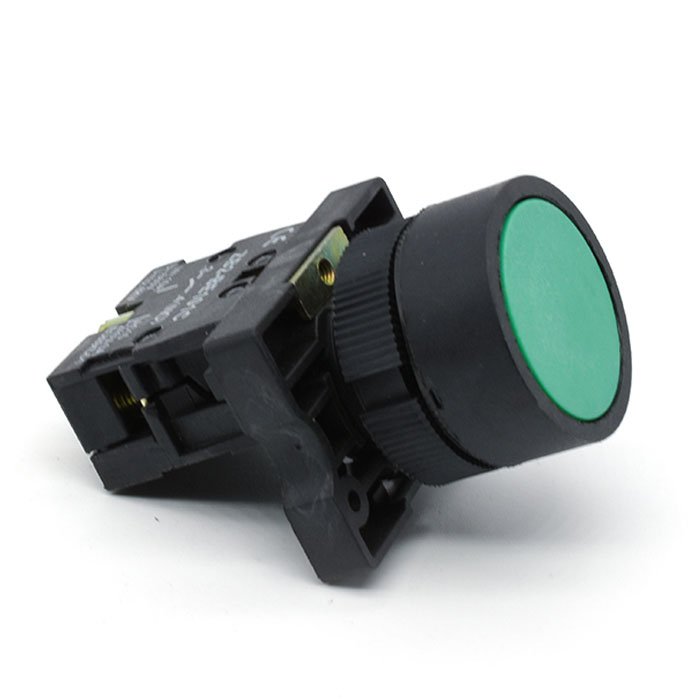
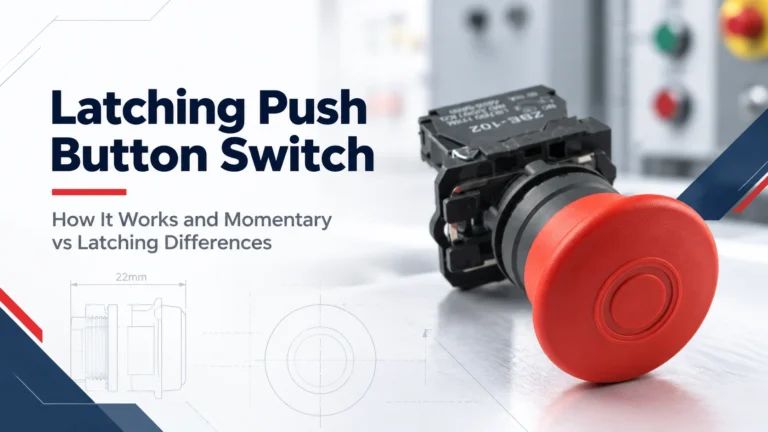
Switches are divided into knob type, toggle type and button type in terms of operation mode; most of the knob type and toggle type switches can be kept on or off after operation, such as light switches and fan speed switches used in daily use. Most of these switches do not need to emphasize whether they are self-locking, because they have obvious “operating directions”; only button switches are pressed when they are used, and most button switches are used to turn on or off the circuit when pressed. , The state is restored after release, so it is sometimes called “bell switch”. In order to maintain the “pressed” state, the button switch is equipped with a self-locking device like ordinary switches. The self-locking performance is used to make it You can also keep on or off by yourself. This is a switch with self-locking. For a certain need, only one of the switches is allowed to be in the connected state when working, and when the rest must be disconnected, there are several The button switches are combined side by side and use the “interlock mechanism”. Only one of the switches is allowed to be connected and locked. When the other switch is pressed, the switch is locked, but at the same time the originally locked switch is released. For these switches, the contacts can be one or more groups; there are many types of locking mechanisms. Among them, a spring hook is used to slide along a heart-shaped groove. The two tips of the heart-shaped groove correspond to the lock and release positions of the switch.
As the name implies, “light touch” means that the state of the switch contact can be changed without using much force. Therefore, the contact capacity is very small and the structure is simple. The button switch can only maintain the original state after the force is removed, that is to say, it is very useful. It can be pressed with a very small force. It is a single-contact button switch without locking. At present, membrane switches and small micro switches can be regarded as light-touch switches. Most of them use two mutually insulated films to print conductive lines on the structure. Press to connect the lines to each other; or use a butterfly-shaped shrapnel made of thin elastic metal, and press the shrapnel to connect the printed circuit. In fact, the self-locking switch and the light touch switch on the electric rice cooker and electric kettle describe the switch performance from different aspects; “self-locking” means that the switch can be maintained in a certain state by the locking mechanism, and “light touch” means the operation The power used by the switch.

23

Related Posts

The Construction Parameters of the Button Switch

The Construction Parameters of the Button Switch

The construction parameters of the button switchButton switch: an electrical appliance that turns on or off a small current circuit for a short time. It does not directly control the on and off of the main circuit, but sends out manual “commands” in the control circuit to control electrical appliances such as contactors, relays, and so […]

The basic concept of the push button switch(2)

The basic concept of the push button switch(2)

Push button switch is a kind of electrical appliance that acts when pressed and resets when released, which is used to turn on and off small current circuits. It is generally used in the control circuit with AC / DC voltage below 440V and current less than 5A. Generally, it does not directly operate the main […]

How does a proximity switch work?

How does a proximity switch work?

In the proximity switch, there is a component that has the ability to “perceive” the object approaching it, that is, the displacement sensor. It can use the sensitivity of the displacement sensor to the approaching object to achieve the purpose of controlling the switch on or off. The object moves from the switch to the […]