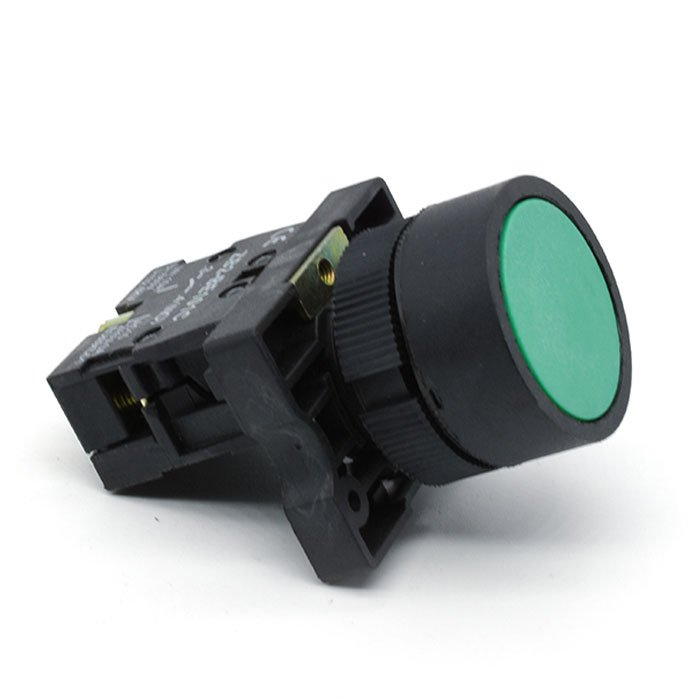
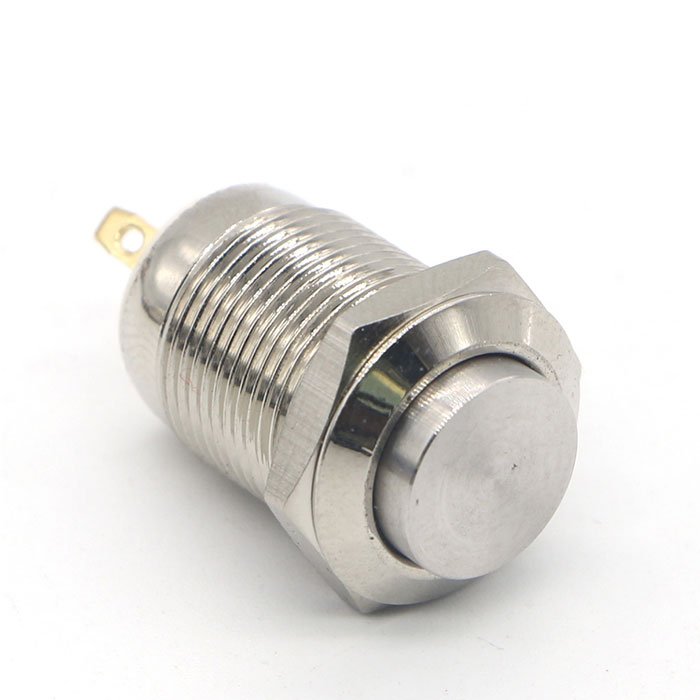
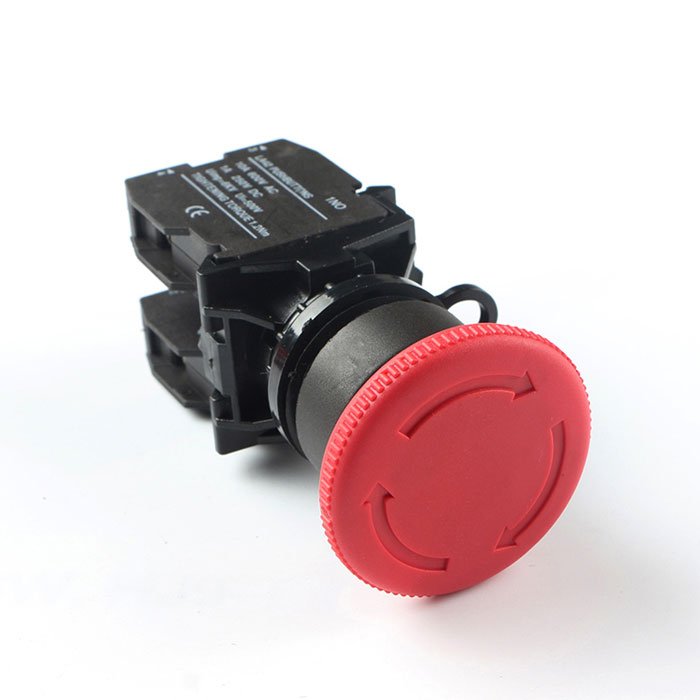
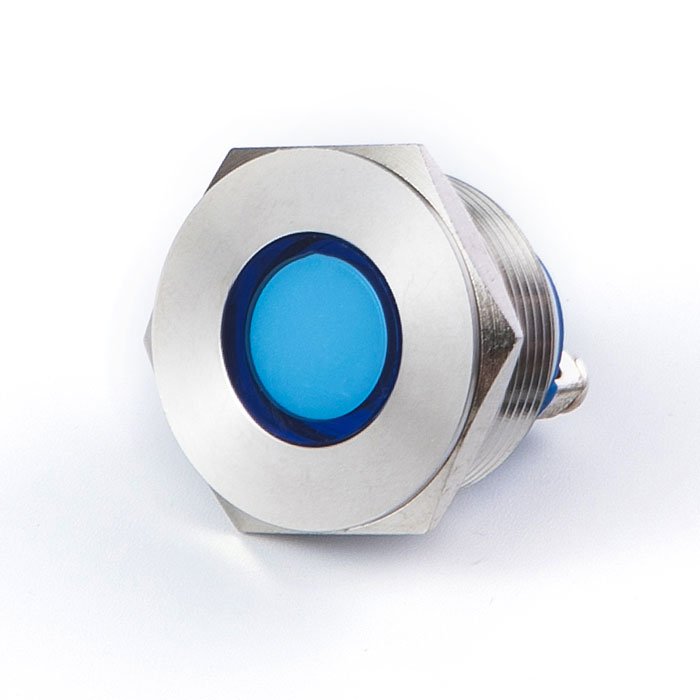
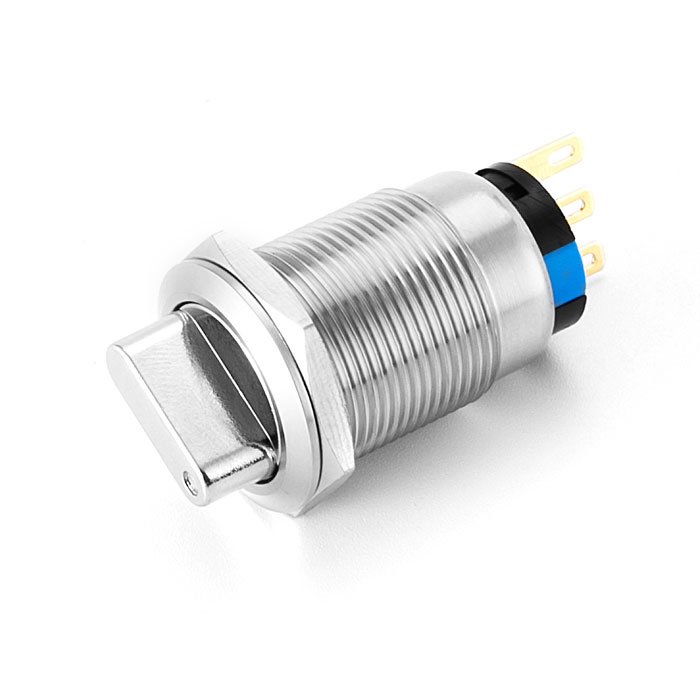
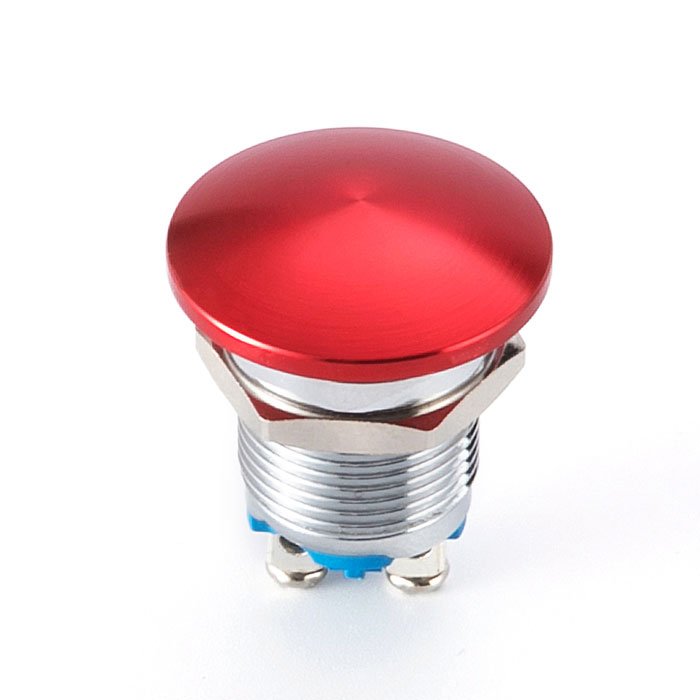
Working principle of the push button switch The operating force of the key switch is related to the state of the reed. The starting force is directly proportional to the compression distance of the reed. When the reed is compressed to 5% – 70%, the operating force suddenly decreases, accompanied by a “ticking” sound. There are generally two structures of turtle rubber switch. The operating force curve varies greatly with the geometry of the rubber block. Relative humidity: < 95% Rated voltage: 12V Rated current: 50mA Temperature: – 25 ~ 70 ℃
Usage ofthe push button switch Key switches are mainly used for color TV sets, black-and-white TV sets, audio equipment, video recorders, video cameras, computers, game consoles, fax machines, walkie talkies, batons, machine tool control devices, copying, printers, electronic instruments, meters and other household appliances.
Classification of button switchesButton switches can be classified according to operation mode and protection mode. Common button categories and characteristics:Open type: suitable for embedded installation and fixed on the panel of the switch board, control cabinet or console.Protective type: With a protective shell, it can prevent the internal button parts from being mechanically damaged or people touching […]
Waterproof system of metal push button switchWhen it comes to waterproof push button switches, the most important thing is quality, because waterproof push button switches are switches that can be operated even with wet hands.The safe waterproof system of the waterproof button switch:1. It is used to isolate the power supply and disconnect the high-voltage maintenance […]
(1)(Push button switch)Always check the button to remove dirt. Due to the small contact spacing of the button, after years of use or poor sealing, dust or oil emulsion will flow in, resulting in reduced insulation and even short circuit accidents. In this case, insulation and cleaning treatment must be carried out, and corresponding sealing […]
We use cookies to enhance your browsing experience, serve personalised ads or content, and analyse our traffic. By clicking "Accept All", you consent to our use of cookies.