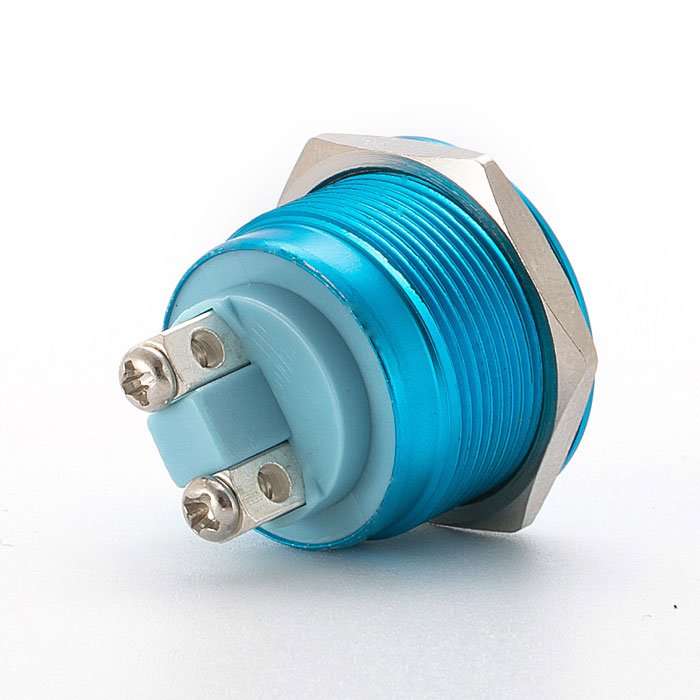
(9) Waterproof button(push button switch): with sealed shell, it can prevent rainwater intrusion. Its code is s.
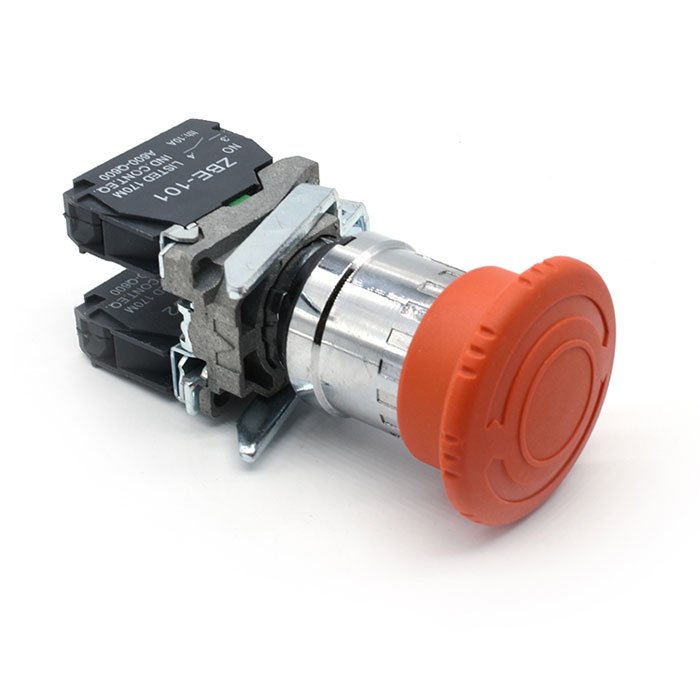
(10) Emergency button(push button switch): a large red mushroom button head protrudes outside, which can be used as a button to cut off the power supply in case of emergency. Its code is j or m.
(11) Open button(push button switch): a button that can be embedded and fixed on the panel of switch board, control cabinet or console. Its code is K.
(12) Interlocking button: a button with multiple contacts interlocked with each other. Its code is C.
(13) Knob type button: a button that rotates the operating contact with the handle. It has two positions of on and off. It is generally panel mounted, and its code is X.
(14) Key button: a button that can be operated by inserting and rotating the key to prevent misoperation or operated by a specially assigned person. Its code is y.
(15) Self supporting button: a button with self-supporting electromagnetic mechanism in the button, whose code is Z.
(16) Combined button: a button with multiple button combinations. Its code is e.
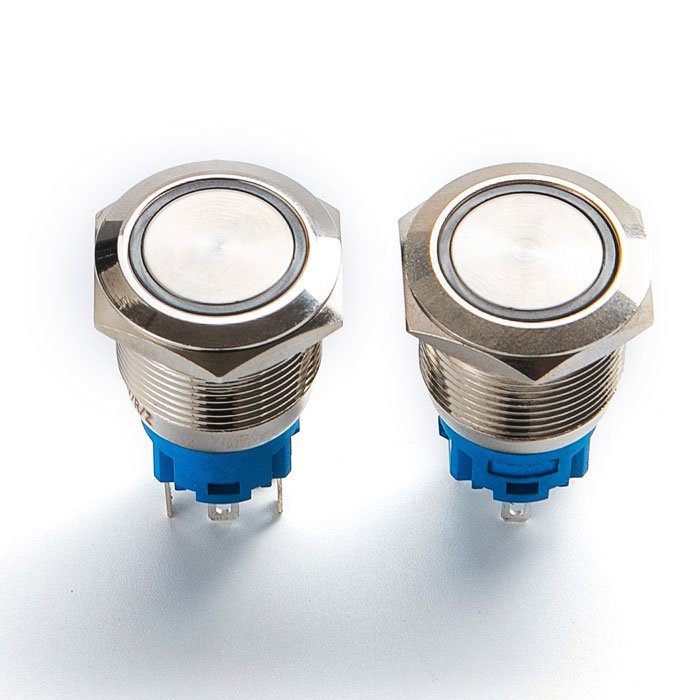
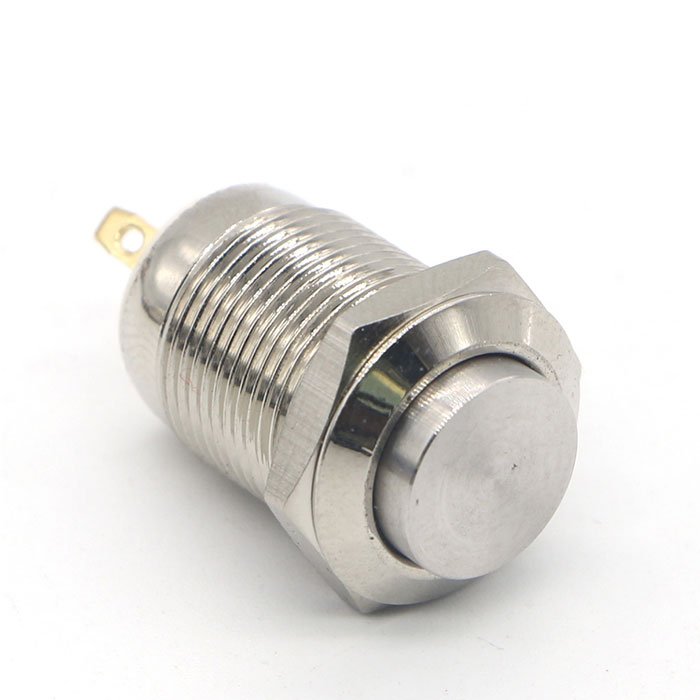
There are many types of button switches, including ordinary button type, mushroom head type, self-locking type, self resetting type, rotary handle type, indicator type, symbol type with light and key type. There are single button, double button, I button and different combination forms. Generally, it adopts ponding structure, which is composed of button cap, return spring, […]
Push buttons come in various types and configurations, but broadly speaking, they can be categorized into two main types based on their electrical contacts and functions: Normally Open (NO) Push Button: In a normally open push button, the circuit is open (no electrical continuity) when the button is at rest or not pressed. When the button is […]
Working Principle of Proximity Switch Sensors Proximity switch sensors, as efficient non-contact detection devices, operate based on sensing specific properties of objects. These sensors can be broadly categorized into several types: inductive, capacitive, and magnetic, each designed for different environments and object properties. 1.Inductive Proximity Switch Sensors 2.Capacitive Proximity Switch Sensors The unique working mechanisms […]
We use cookies to enhance your browsing experience, serve personalised ads or content, and analyse our traffic. By clicking "Accept All", you consent to our use of cookies.