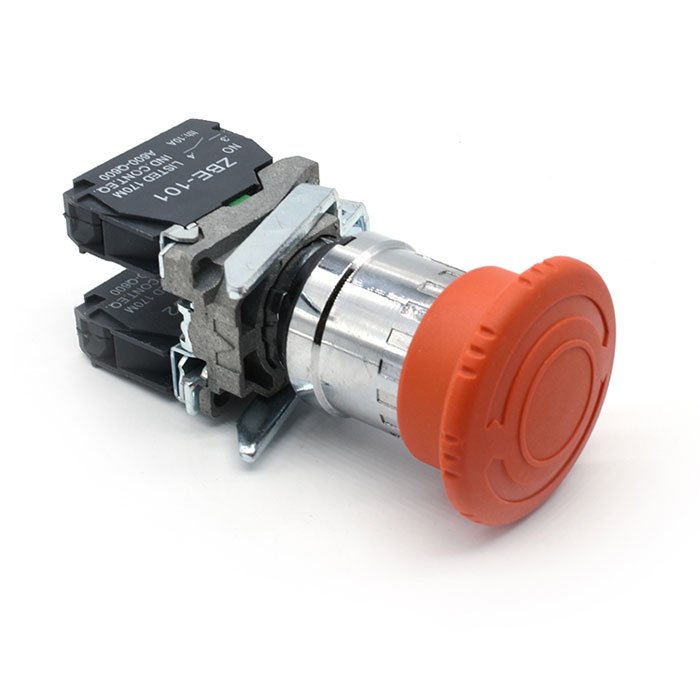
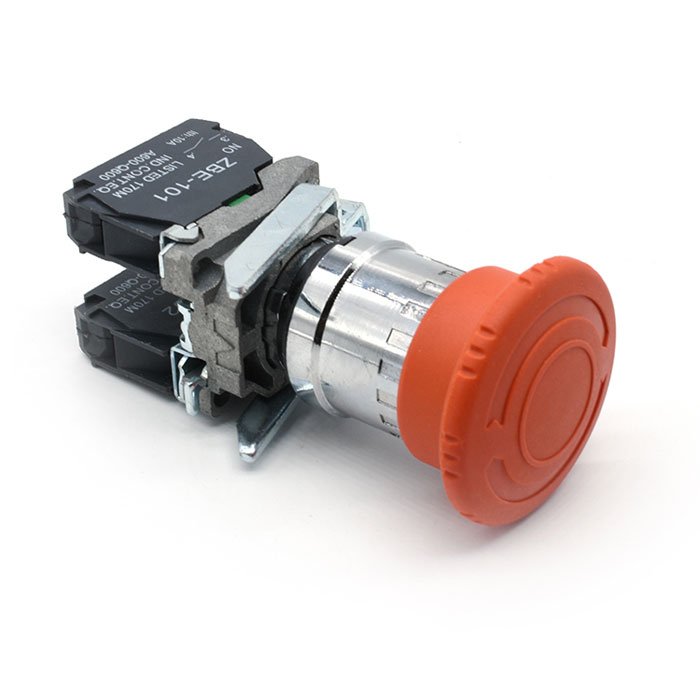
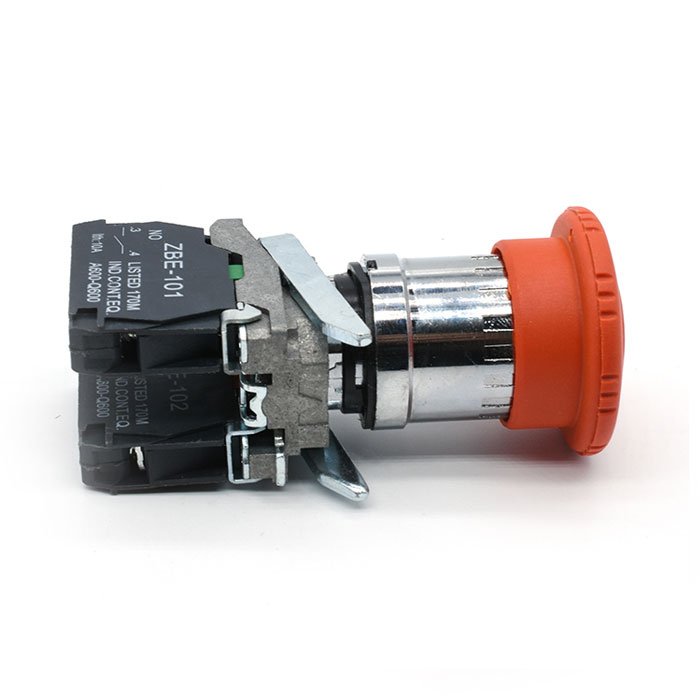
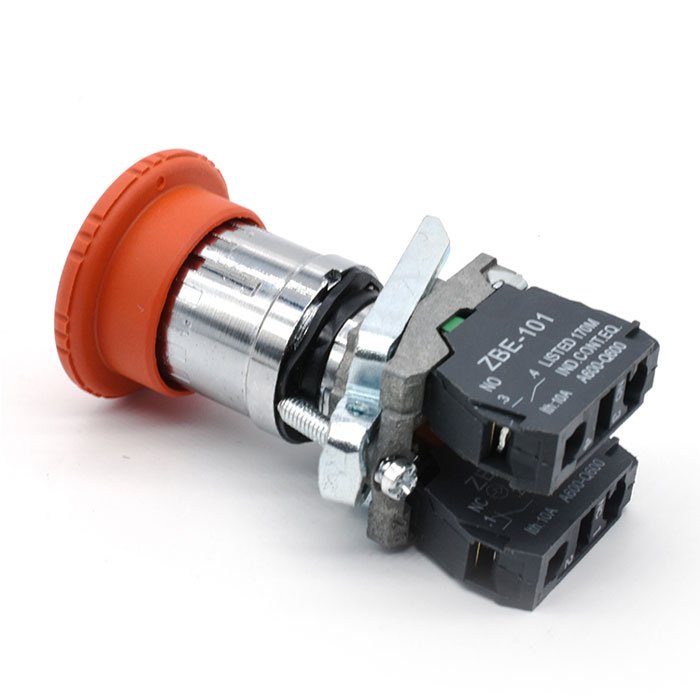
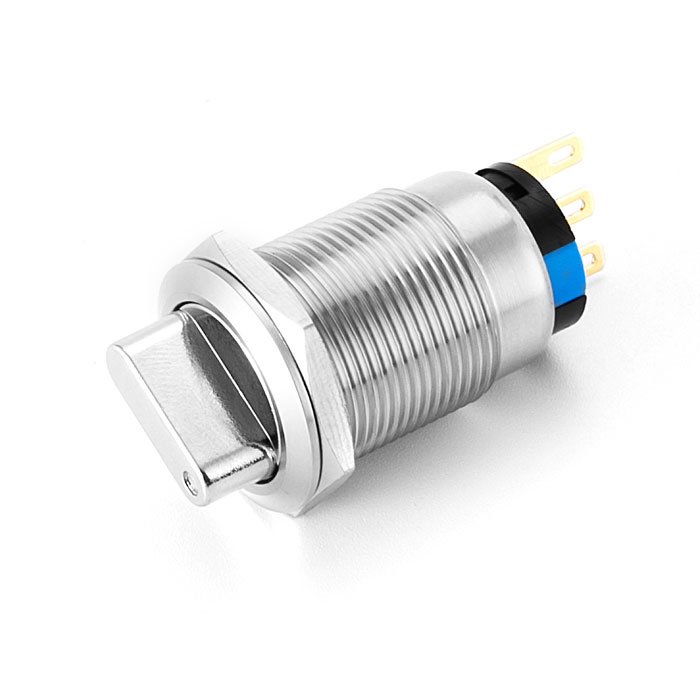
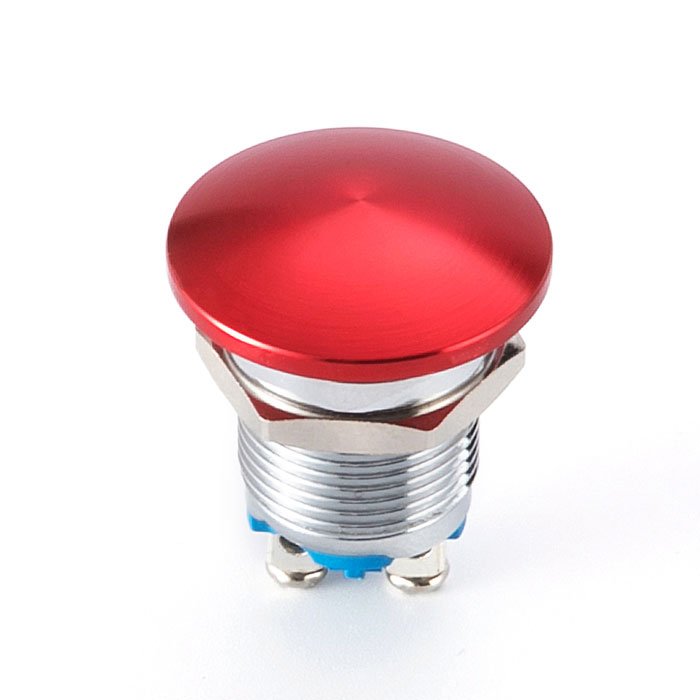
An emergency stop push button switch, often referred to simply as an “emergency stop button” or “E-stop,” is a safety device commonly found in machinery, industrial equipment, and various automated systems. Its primary function is to immediately halt the operation of a machine or process in case of an emergency to prevent injury to personnel, damage to equipment, or other hazardous situations.
Here are some key features and characteristics of an emergency stop push
The button itself is typically colored bright red to make it easily identifiable in an emergency situation.
It’s designed to be large and easily accessible, allowing anyone nearby to quickly press it in case of an emergency.
When pressed, the emergency stop button sends a signal to the control system of the machinery, causing it to stop immediately. This action overrides any other commands or controls and brings the equipment to a safe and controlled stop.
Emergency stop buttons often have a latching mechanism that keeps them in the pressed position once activated. This prevents accidental restarts and ensures that the machine remains stopped until deliberately reset.
After the emergency situation has been resolved, the emergency stop button usually needs to be manually reset before the equipment can be restarted. This helps prevent inadvertent restarts and ensures that the machine is thoroughly checked before resuming operation.
In addition to the red button, emergency stop buttons often feature prominent signage or labeling to further increase their visibility and ensure that they are easily recognizable.
Overall, the emergency stop push button switch is a critical safety feature in industrial settings, providing a quick and effective means of stopping machinery in emergency situations to prevent accidents and protect personnel and equipment.
(1) Protective button(push button switch): a button with protective shell, which can prevent the internal button parts from mechanical damage or people from touching the live part. Its code is h. (2) Dynamic off button(push button switch): under normal conditions, the switch contact is a button for on. (3) Dynamic closing button(push button switch): under normal […]
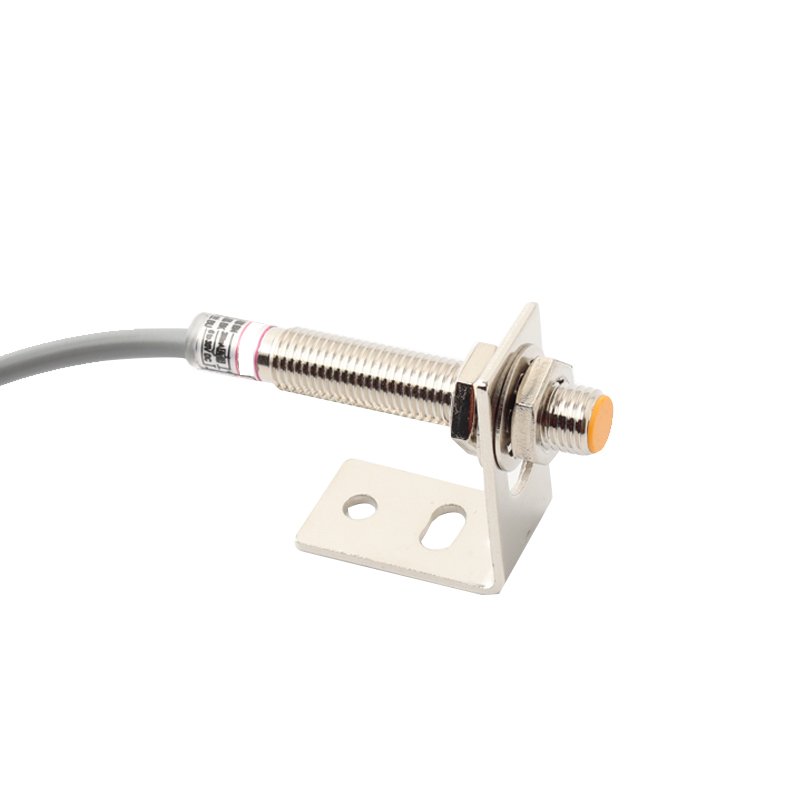
Inductive proximity switch sensor is a low cost method for non-contact detection of metal objects. When metal objects move towards or out of the proximity switch, the signal will automatically change, so as to achieve the purpose of detection. Its composition is mainly composed of three parts: amplifier output circuit, switching circuit, oscillator.An oscillator, one of […]
When we buy Push Button Switch, will we choose metal material or plastic material? In addition to the difference in material, what are the differences in use? Today we will discuss the advantages of Metal Push Button Switch and Plastic Push Button Switch. The advantages of metal push button switch mainly include: 1. Durability and anti-destruction: […]
We use cookies to enhance your browsing experience, serve personalised ads or content, and analyse our traffic. By clicking "Accept All", you consent to our use of cookies.